Breaking
Bazra’ah Al-Hadrami: When Yemeni Coffee Wrote Its Chapter in the Arab Investment Chronicle
Monday, April 20, 2026
•USD/YER: 250.45 ↑1.2%•Sana'a Index: ↑0.8%

Investment Magazine | Special Report
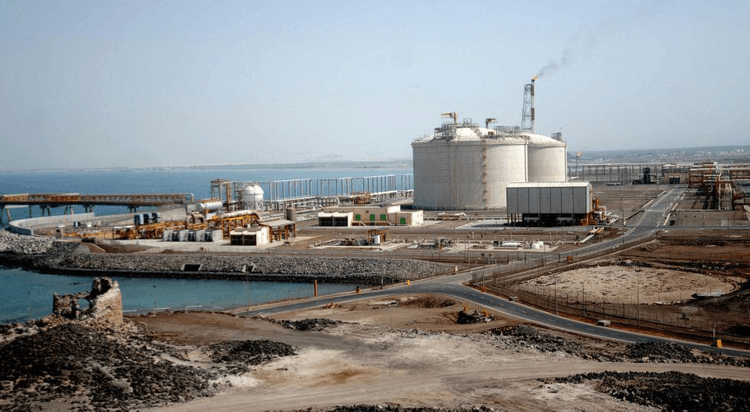
Al-Hodeidah Governorate is witnessing a growing wave of investment activity, driven by national efforts to support the private sector and improve the business environment. Strategically located on the Red Sea, Al-Hodeidah serves as one of Yemen’s most vital economic gateways—boasting a major seaport, expansive industrial zones, and rich natural and climatic resources that position it as a potential economic hub for the country.
In support of this momentum, Yemen’s new Investment Law offers a comprehensive package of incentives designed to attract local capital. These include long-term tax and customs exemptions, full repatriation rights for profits and capital, legal protection against nationalization or expropriation, and streamlined licensing procedures via a unified digital platform—significantly reducing bureaucracy. The law also guarantees equal treatment for all investors and introduces enhanced legal safeguards for investment projects, further strengthening the country’s overall investment appeal.
The governorate presents major investment opportunities across sectors such as food processing, light manufacturing, logistics services, and renewable energy. These sectors are closely aligned with local market needs and Al-Hodeidah’s unique geographic characteristics. In recent months, new industrial land plots have been allocated to investors on the outskirts of the city through coordinated efforts between the General Investment Authority and the local government—aimed at boosting production and stimulating small and medium-sized industries.
Efforts are currently underway to revive the Free Zone at Al-Hodeidah Port—an initiative seen as critical to enhancing export-oriented investment, reducing logistics costs, and supporting value-added activities like packaging and re-exporting. This revival is part of a broader strategic plan to optimize the port’s infrastructure and expand its role in supporting Yemen’s national economy.
Additional opportunities also exist in sectors such as plastic manufacturing, bottled water production, pharmaceuticals, and agricultural equipment manufacturing. Furthermore, solar energy projects are particularly well-suited to the coastal climate and the wide availability of open land—offering the potential for low-cost, sustainable energy solutions.
The General Investment Authority is currently developing an updated investment map highlighting high-potential opportunities in Al-Hodeidah. This initiative is part of a broader strategy aimed at promoting industrial localization, enhancing public-private partnerships, and providing investors with interactive access to data and information to facilitate informed decision-making and increase the likelihood of success.
 ⋮⋮
⋮⋮Today, Al-Hodeidah stands out as one of Yemen’s most promising investment destinations—backed by legal incentives, institutional support, and a wealth of natural and economic assets. These advantages are further reinforced by a clear national commitment to empowering the private sector and advancing comprehensive economic development.
Get the latest Reports news and analysis delivered to your inbox.
Aug 4, 2025
Aug 4, 2025
Aug 4, 2025
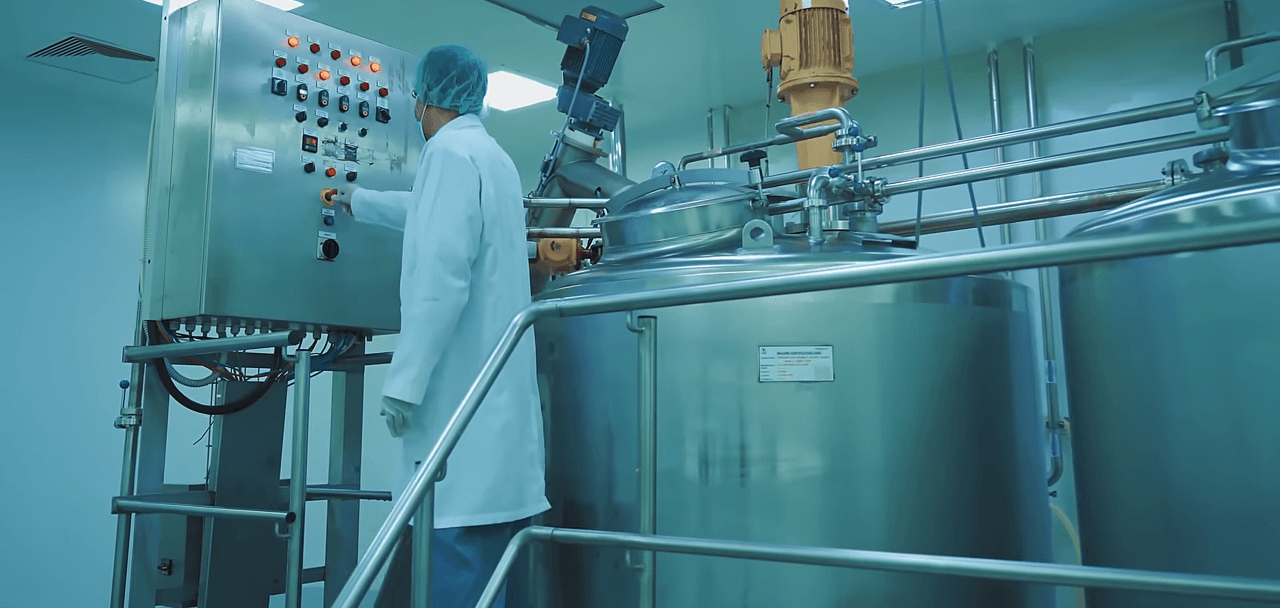
Yemen is moving to localize pharmaceutical production through a plan to manufacture 1,000 medicines locally within five years, supported by government backing and investment incentives, to enhance drug security and achieve self-sufficiency.
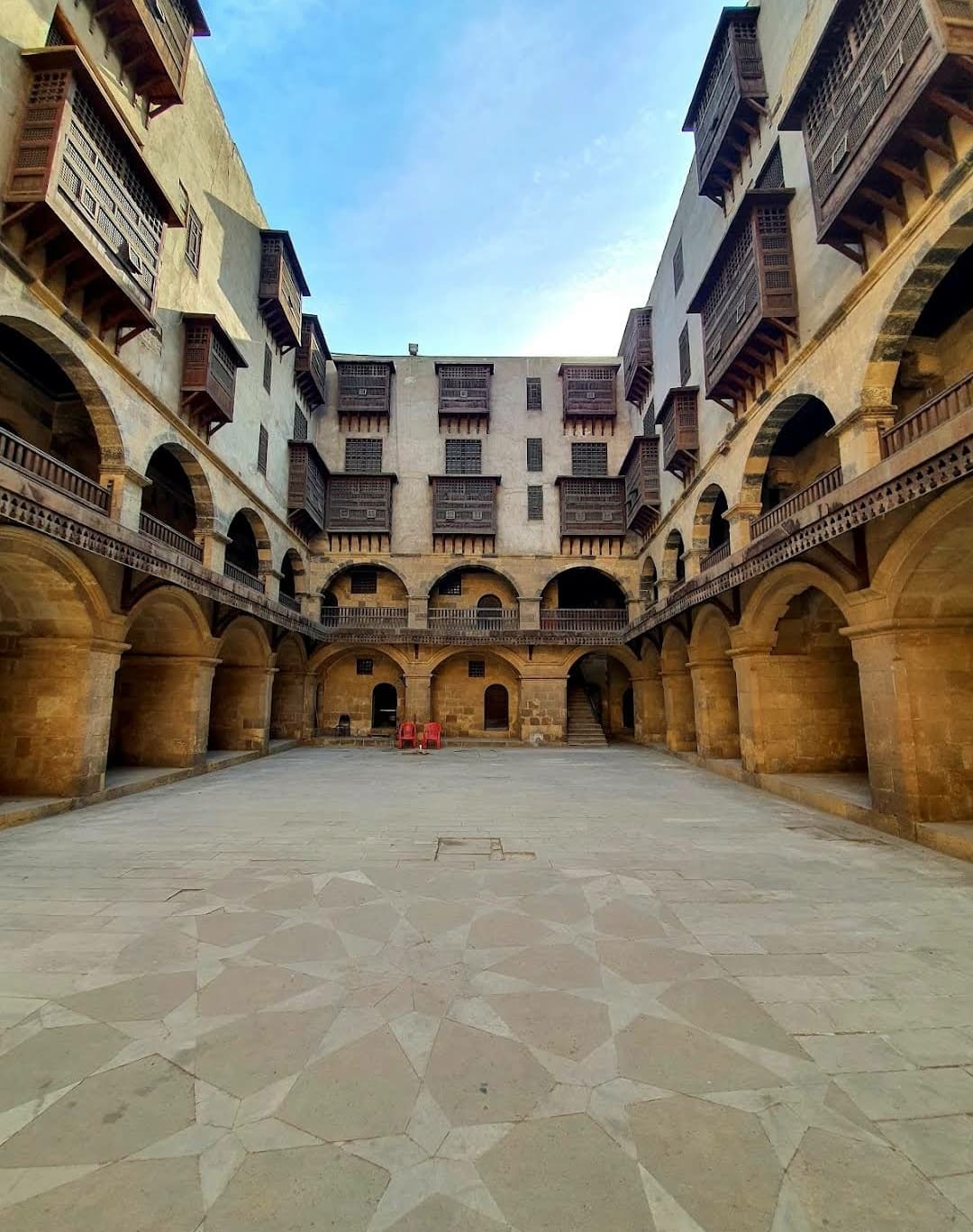
The story of Bazara’a Al-Hadrami embodies how Yemeni coffee built an enduring economic and cultural bridge between Yemen and Egypt, and presents an opportunity to revive its global glory through a modern investment vision.
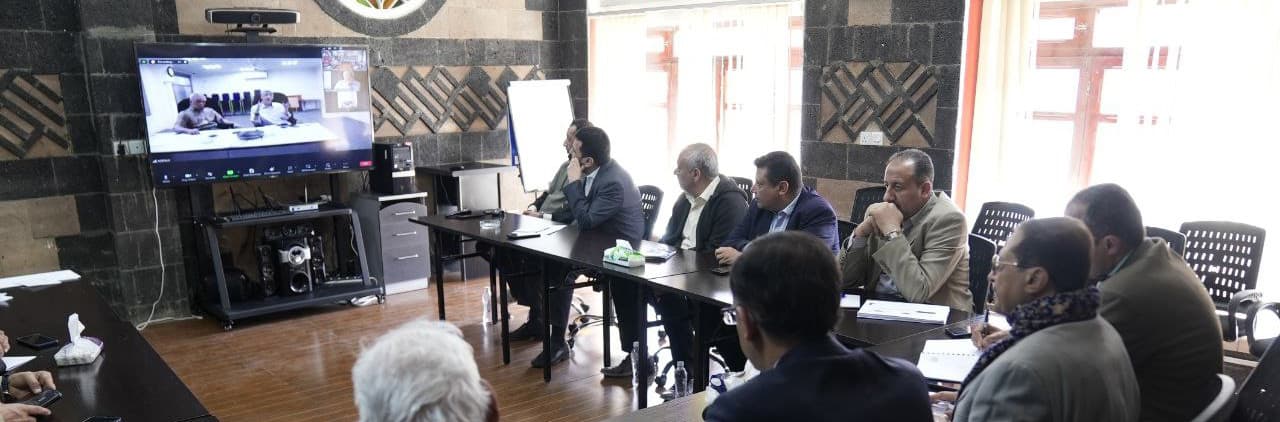
The new Investment Law in Yemen opens wide horizons for projects through incentives, guarantees, and government support, with practical steps for its implementation across several governorates and the strengthening of public-private partnerships.