Breaking
Bazra’ah Al-Hadrami: When Yemeni Coffee Wrote Its Chapter in the Arab Investment Chronicle
Monday, April 20, 2026
•USD/YER: 250.45 ↑1.2%•Sana'a Index: ↑0.8%
Investment Magazine
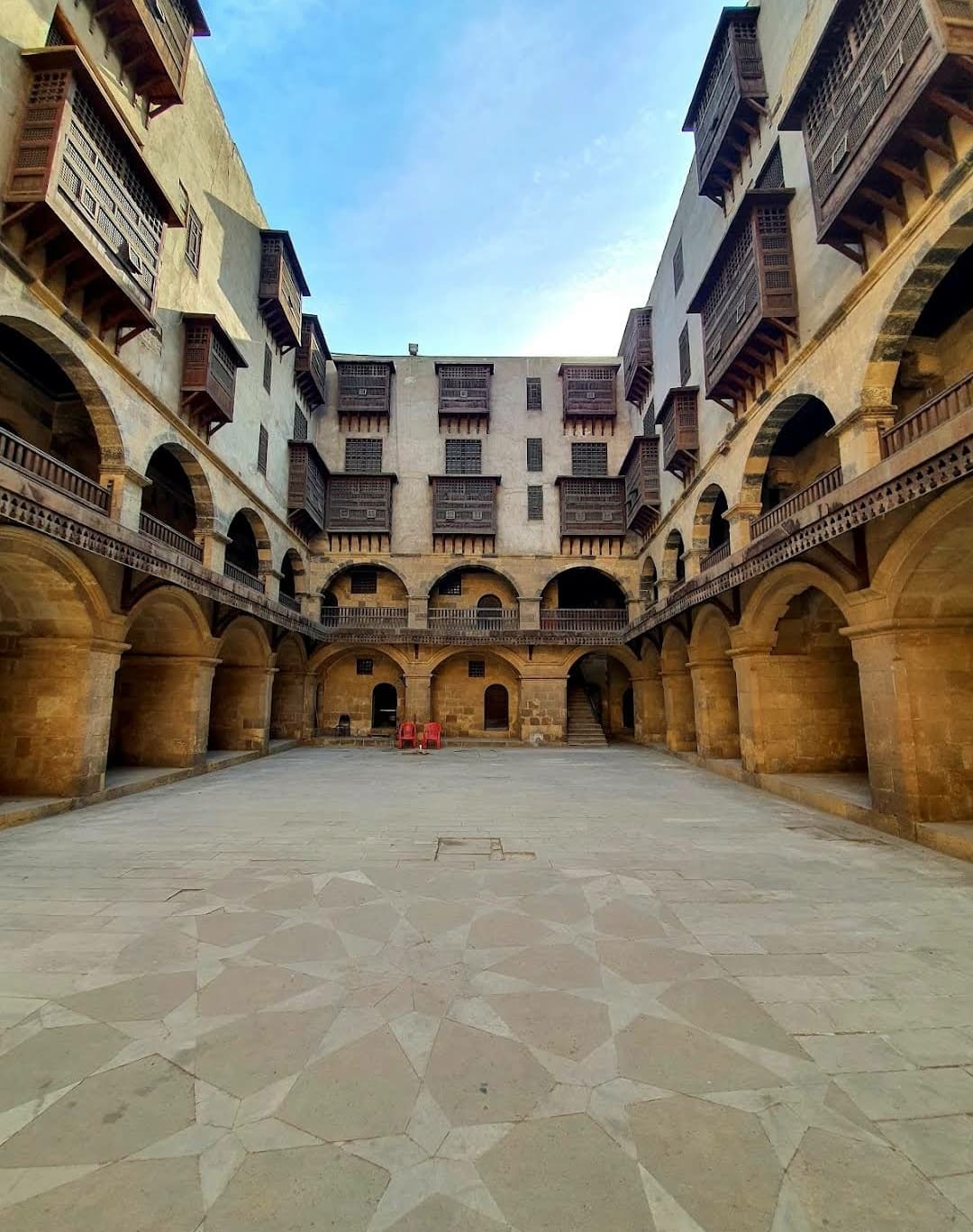
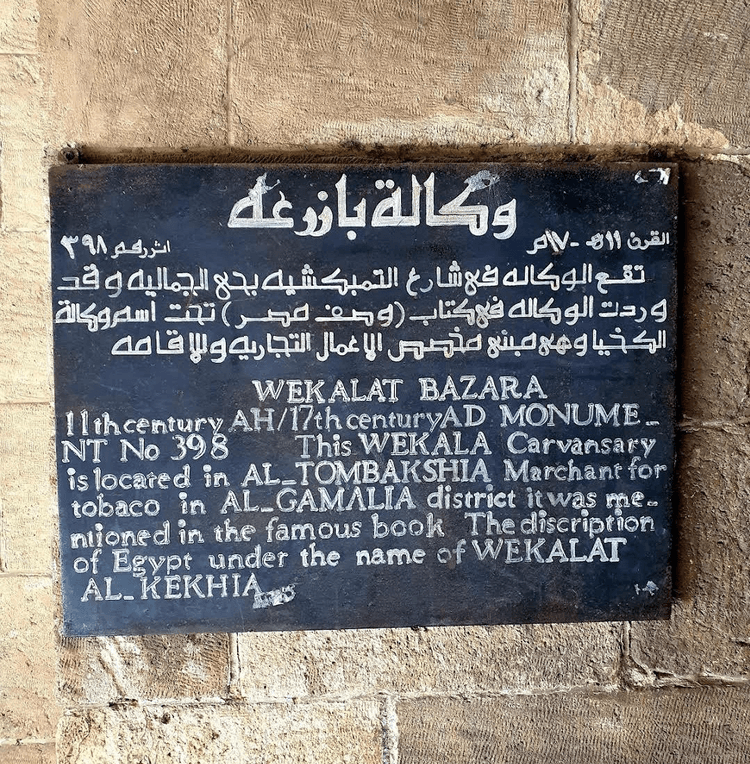
In the heart of old Cairo’s winding alleys, specifically on “Al-Nabkashiya” Street in the Al-Gamaliya district, stands Bazra’ah Agency — a silent yet eloquent historical landmark. It tells an ancient Arab story that began when the aroma of Yemeni coffee mingled with the pulse of Egyptians, creating an extraordinary blend of taste, memory, cross-cultural trade, and an enduring investment legacy.
 ⋮⋮
⋮⋮ ⋮⋮
⋮⋮
Yemeni Coffee
Yemeni coffee was never just a hot morning drink; it has always been an art form in itself — a heritage of taste passed down through generations. As people say today, “Coffee is the mood of the entire world,” but in centuries past, it was a cultural and commercial gateway that opened Yemen to the world, turning its coffee into a civilizational envoy crossing seas and continents.
The story traces back to the 9th century AH (15th century CE), when caravans of Yemeni coffee began their journey from the port of Mocha to the ports of the Hijaz and Egypt, making Yemen the world’s leading coffee exporter. But the real turning point came in the 11th century AH (17th century CE), when an extraordinary man from Hadramout named Bazra’ah arrived in Cairo, carrying something more precious than gold — Yemeni coffee, with its unmatched flavor and charm.
Bazra’ah was not a passing merchant but a visionary investor. He established the first specialized agency for selling and distributing Yemeni coffee in the heart of Cairo, right in the Al-Gamaliya district. The agency still stands today, undergoing gradual restoration, as an architectural and commercial relic of one of the most distinguished stories in Arab investment history.
The Depth of Coffee’s Legacy
Historical accounts confirm that Bazra’ah brought more than coffee; he brought with him Yemen’s soul and flavor. His descendants married Egyptians, and families intertwined — just like the coffee itself. Over time, the aroma of Yemeni coffee became a familiar Egyptian scent, linked to home gatherings, hospitality, and nostalgia. No one asked anymore, “Is this Yemeni coffee?” It had become the coffee identity in the Egyptian cultural memory.
An Economic and Cultural Bridge
In those times, coffee trade between Yemen and Egypt was one of the most significant economic activities strengthening Arab ties. It established a thriving market that stretched from the Arabian Peninsula to North Africa, creating a unique bond between the Yemeni producer and the Arab consumer — a union of profit, social stability, and cultural exchange.
Today, more than four centuries after Bazra’ah’s endeavor, Yemeni coffee still boasts the same — if not higher — quality, yet stands at a crossroads between a glorious past and an uncertain future. With Yemen facing agricultural and commercial investment challenges, its coffee is in dire need of a renewed investment vision to restore its global standing.
Bazra’ah Agency is not merely a historic building; it is a successful economic and cultural model that deserves revival. Why don’t we see modern Yemeni coffee agencies in Cairo, Riyadh, Doha, Dubai — or even in Paris and Berlin? Why doesn’t “Yemen” itself become a global brand name for this treasured black gold?
An Investment Project and a National Identity
Yemeni coffee is not just an agricultural crop; it is a fully integrated economic project with high added value, a vast global market, and a noble cultural message. It is a rare investment opportunity for anyone who wishes to carve their name into the record of true success — just as Bazra’ah once did, with the Investment Authority as the guardian after God.
So, who will raise the cup of challenge?
And who will rewrite the story — with modern letters and an authentic Yemeni flavor?
Get the latest News news and analysis delivered to your inbox.

Yemen is moving to localize pharmaceutical production through a plan to manufacture 1,000 medicines locally within five years, supported by government backing and investment incentives, to enhance drug security and achieve self-sufficiency.
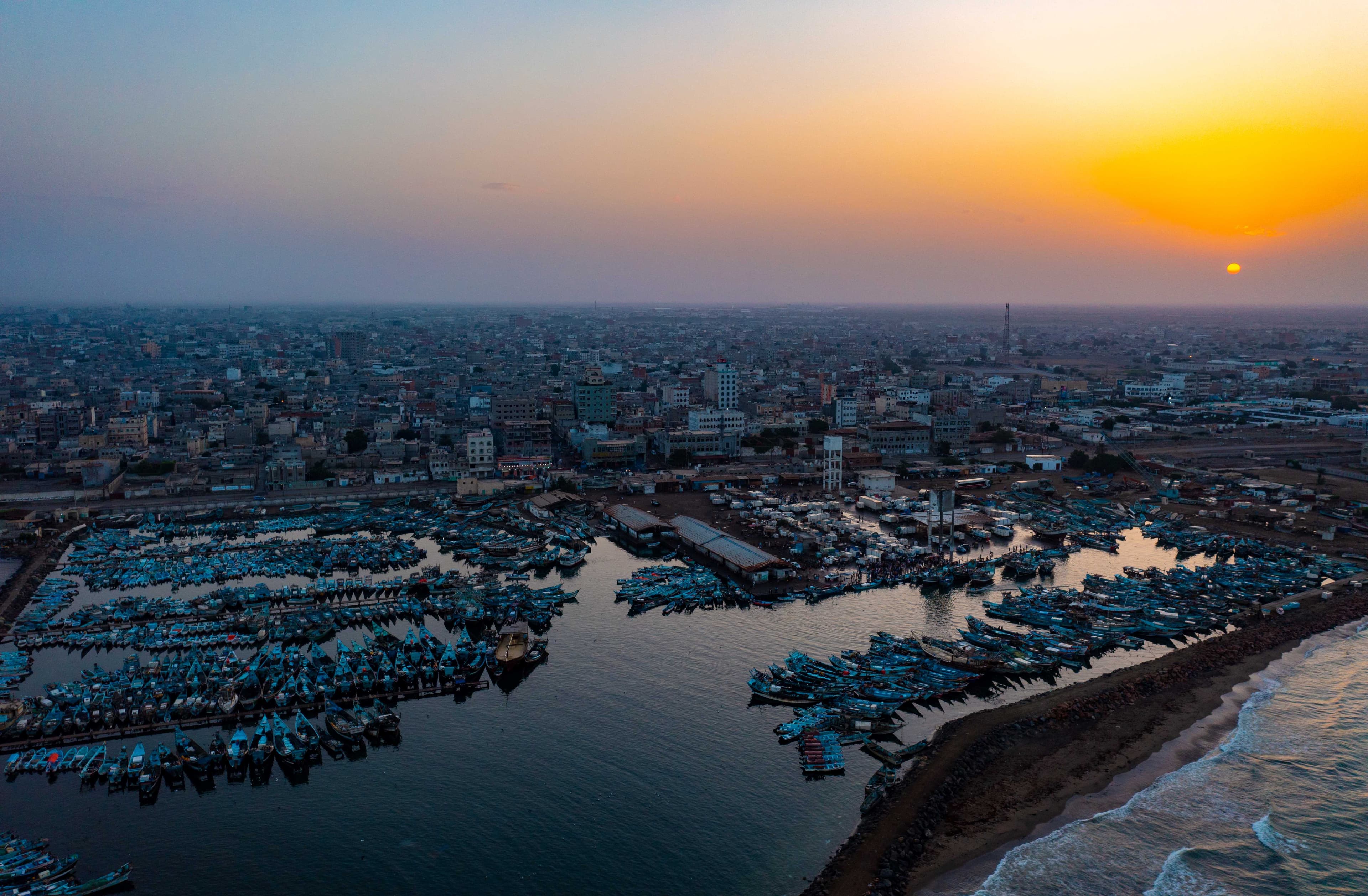
Hodeidah emerges as a promising investment destination, thanks to its strategic location and the incentives of the new Investment Law, with vast opportunities in manufacturing, energy, and logistics services.

The new Investment Law in Yemen opens wide horizons for projects through incentives, guarantees, and government support, with practical steps for its implementation across several governorates and the strengthening of public-private partnerships.